Unlocking the Future: How qEEG and AI are Revolutionizing Early Dementia Detection
Discover how Quantitative EEG combined with AI is revolutionizing early dementia detection, and how Synapse™ and Lumina™ are bringing this innovation to clinical practice.

Introduction
Dementia, including Alzheimer's disease, presents one of the most profound challenges in global healthcare. The insidious progression of cognitive decline often means that by the time a diagnosis is made, significant neuronal damage may have already occurred. However, a new era of hope is emerging, driven by the powerful synergy of advanced diagnostic tools and artificial intelligence. At Metis, we are constantly tracking these breakthroughs, and one area showing immense promise is the combination of Quantitative Electroencephalography (qEEG) with Machine Learning (AI) for early dementia detection. This innovative approach is not just a scientific marvel; it's a game-changer for personalized care.
What is qEEG? A Window into Brain Activity
Before diving into its combination with AI, let's understand qEEG. Electroencephalography (EEG) is a non-invasive method that records the brain's electrical activity through electrodes placed on the scalp. Think of it as listening to the symphony of your brain. Quantitative EEG (qEEG) takes this a step further. It digitally processes and analyzes these raw EEG signals, breaking them down into specific frequency bands and patterns. This sophisticated analysis allows clinicians to create a "brain map," identifying specific areas of the brain that might be functioning atypically. It moves beyond subjective clinical observations to provide objective, measurable data about brain function.
The AI Advantage: Elevating qEEG to New Heights
While qEEG provides a wealth of data, interpreting these complex patterns to detect subtle signs of early dementia requires highly specialized expertise. This is where Artificial Intelligence, particularly Machine Learning (ML), steps in as a transformative partner.
Pattern Recognition Beyond Human Capacity
AI algorithms can be trained on vast datasets of qEEG recordings from both healthy individuals and those in various stages of dementia. This training allows the AI to identify incredibly subtle and complex patterns within the brain's electrical activity that might be imperceptible to the human eye, even for experienced specialists.
Biomarker Identification
These AI models can pinpoint specific neurological biomarkers associated with the earliest stages of cognitive decline, long before clinical symptoms become pronounced. For example, changes in specific brainwave frequencies (like alpha, theta, or gamma) or connectivity patterns between different brain regions can serve as early indicators.
Enhanced Accuracy and Speed
The combination of qEEG and AI offers a level of diagnostic accuracy and speed previously unimaginable. It can rapidly process large amounts of data, providing clinicians with crucial insights much faster than traditional methods, thereby accelerating the diagnostic process.
Why Early Detection is Critical for Dementia Care
The ability to detect dementia early through qEEG and AI has profound implications:
-
Personalized Intervention: Early diagnosis opens the door to personalized intervention strategies. While there's no cure for Alzheimer's, early detection allows for the implementation of lifestyle modifications, cognitive training, and medication that can help manage symptoms, slow progression, and improve the quality of life.
-
Clinical Trial Participation: Patients identified early are more likely to be eligible for and benefit from participation in clinical trials for new treatments, potentially accessing groundbreaking therapies before widespread availability.
-
Future Planning: Early diagnosis empowers individuals and their families to make informed decisions about future care, financial planning, and lifestyle adjustments, reducing stress and improving overall well-being.
-
Objective Insights: For conditions that often carry a diagnostic ambiguity in their early stages, the objective insights from qEEG + AI provide a more definitive basis for diagnosis and care planning.
How Synapse™ Integrates This Approach
In this rapidly evolving landscape, integrating cutting-edge diagnostics with actionable insights is crucial. This is where Synapse™, combined with Lumina™ AI Analytics, plays a pivotal role.
Imagine Synapse™ as the intelligent hub that connects these powerful technologies:
Seamless Data Integration
Synapse™ provides a secure and efficient platform for clinicians to upload and manage qEEG data. Beyond just raw data, it integrates with Lumina™ to process physiological parameters, patient history, and comprehensive brain activity patterns.
AI-Powered Analysis at Your Fingertips
Leveraging Lumina™'s integrated AI capabilities, Synapse™ runs sophisticated machine learning algorithms on the acquired EEG data, automatically identifying subtle patterns indicative of early dementia markers. This means rapid, objective analysis without requiring extensive in-house AI expertise from every clinician.
Actionable, Interpretable Reports
Instead of raw data or complex AI outputs, the Synapse™-Lumina™ ecosystem translates insights into clear, clinician-friendly reports. These reports highlight specific areas of concern, suggest potential diagnoses, and even recommend tailored intervention strategies based on identified biomarkers.
Personalized Treatment Planning and Monitoring
With this integrated approach, clinicians can more effectively design personalized care plans. The platform helps track the impact of interventions over time by comparing follow-up qEEG scans, allowing for adaptive and evidence-based adjustments to a patient's treatment pathway.
Bridging Research to Clinical Practice
Synapse™ acts as the bridge, taking advanced research findings in qEEG and AI and making them readily accessible and clinically applicable. This accelerates the adoption of groundbreaking diagnostic methods into everyday patient care.
Metis at the Forefront of Innovation
At Metis, we believe that understanding these technological convergences is key to advancing healthcare. The synergy between qEEG and AI, embodied in our Synapse™ and Lumina™ systems, exemplifies how digital innovation is not just supporting, but actively revolutionizing, our capacity to tackle complex neurological challenges. We are dedicated to curating and sharing insights into such cutting-edge developments, ensuring our community remains informed about the tools shaping the future of brain health.
Conclusion
The fusion of Quantitative EEG and Artificial Intelligence represents a monumental leap forward in our fight against dementia. By providing objective, early, and precise diagnostic capabilities, this technological duo is transforming despair into hope, paving the way for more effective interventions and a better quality of life for millions. The future of personalized brain health is here, and it's powered by precision and intelligent innovation.
What are your thoughts on the potential of AI in neurological diagnostics? Share your insights in the comments below!
Share this article
Related Articles
Continue exploring related topics
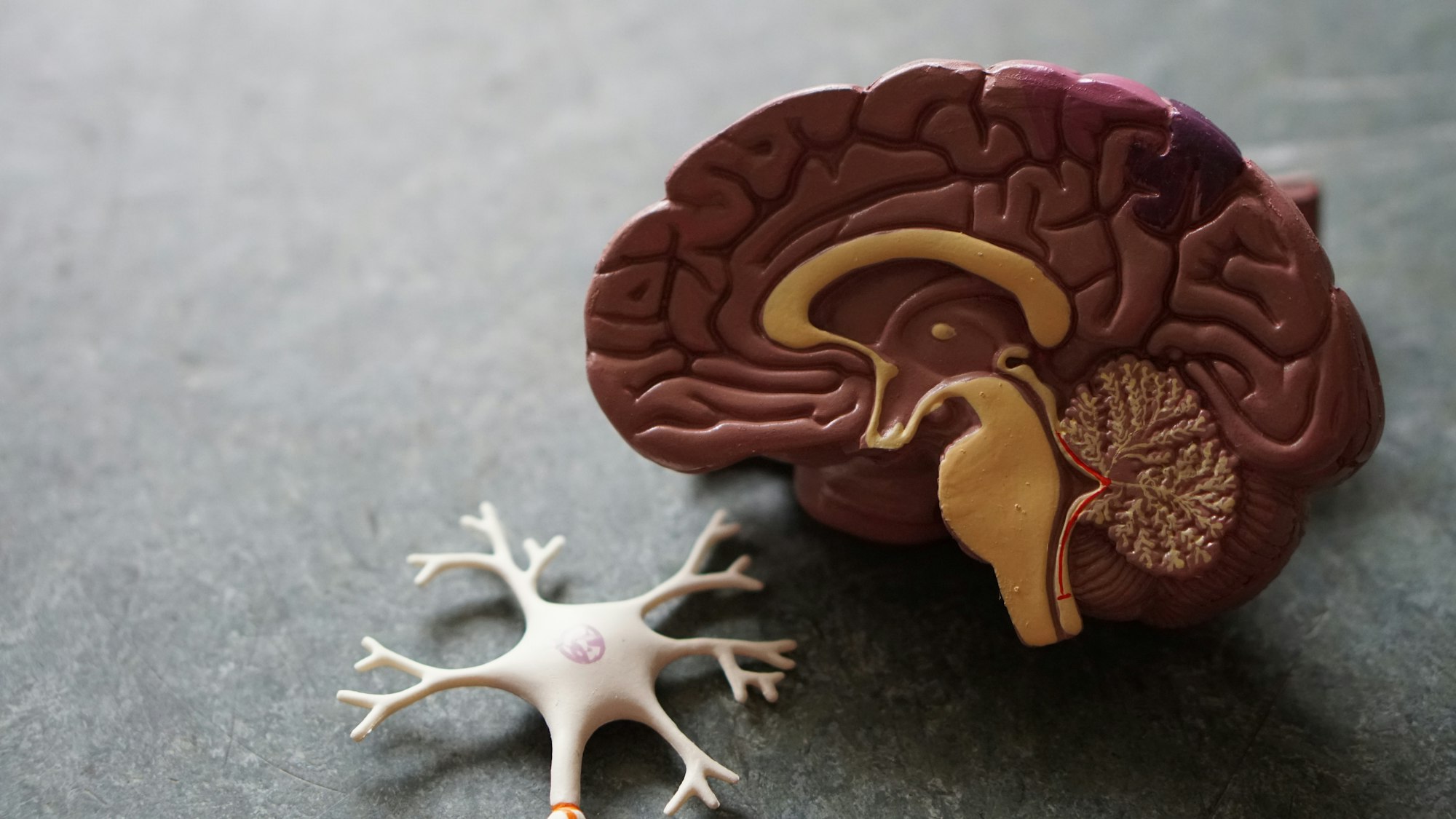
Beyond the Surface: Describing Depression with Precision through Synapse™
Discover how Synapse™, leveraging qEEG and AI, offers a precise neurobiological description of depression, moving beyond traditional symptom-based diagnosis to enable truly personalized, effective treatment pathways.
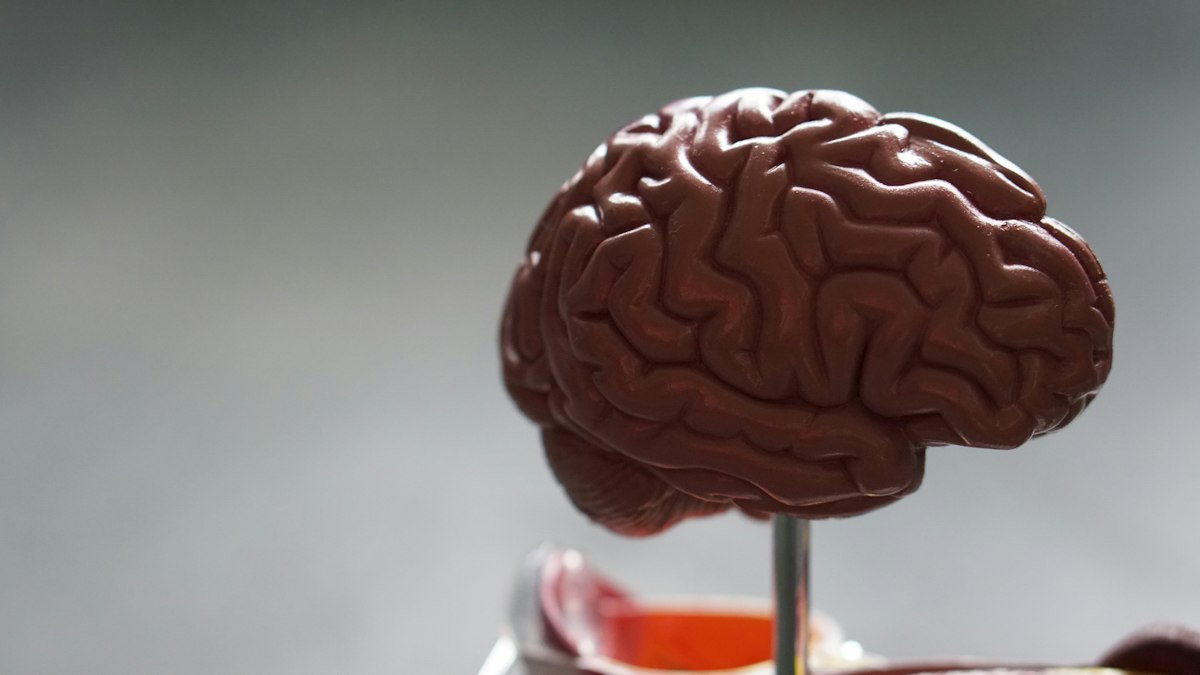
Beyond the Surface: Describing Depression with Precision through Synaps
Discover how Synaps uses qEEG and AI to provide precise, neurobiological descriptions of depression, enabling truly personalized treatment pathways beyond traditional symptom-based diagnosis.
Understanding NIBS: A Guide to Non-Invasive Brain Stimulation Technologies
Non-invasive brain stimulation (NIBS) is reshaping psychiatry and neurology. Here is how rTMS, nTMS, tDCS, CES and TES compare — and where personalized neuromodulation is heading.
rTMS vs tDCS: Comparing Brain Stimulation Modalities for Clinical Practice
rTMS and tDCS are the two most-used non-invasive brain stimulation modalities. We compare mechanism, evidence, safety and the role of nTMS navigation.
Comments (0)
No comments yet. Be the first to share your thoughts!

