The Future of Brain-Computer Interfaces in Mental Health Treatment
Discover how brain-computer interfaces are revolutionizing mental health care with real-time monitoring and targeted neuromodulation.
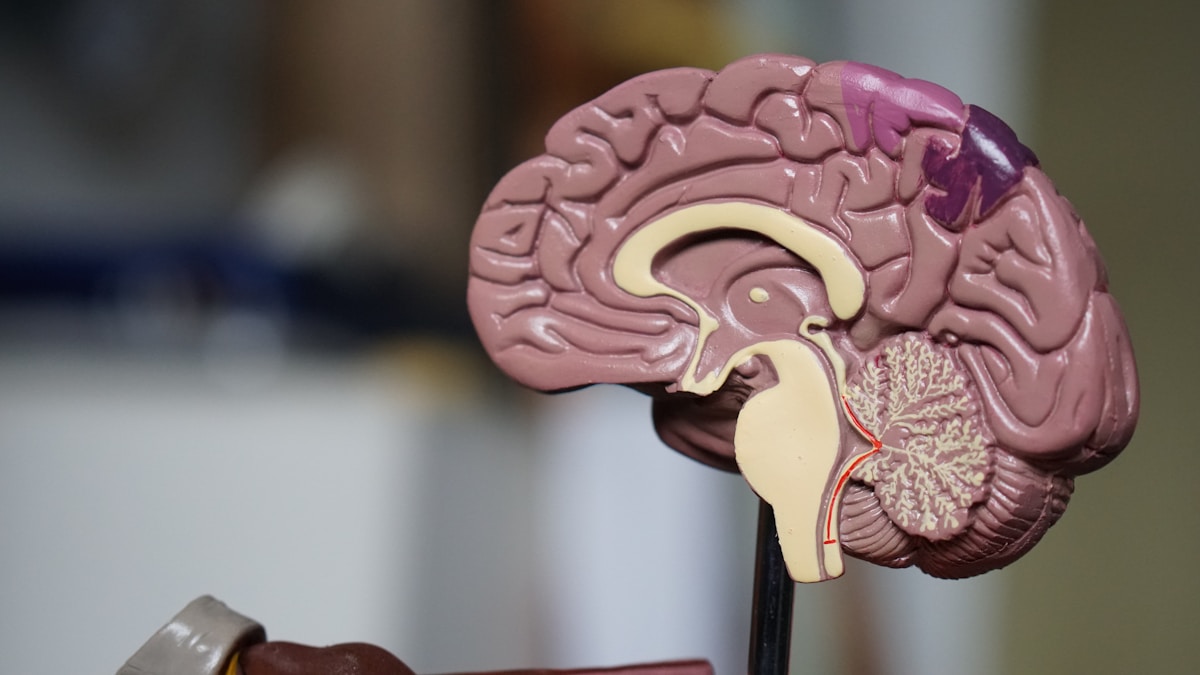
The Future of Brain-Computer Interfaces in Mental Health Treatment
Brain-computer interfaces (BCIs) are rapidly transforming the landscape of mental health treatment. As neurotechnology advances, we're witnessing unprecedented opportunities to understand and treat complex neurological conditions.
Understanding Brain-Computer Interfaces
BCIs create a direct communication pathway between the brain and external devices, enabling real-time monitoring and modulation of neural activity. This technology has profound implications for treating conditions like depression, anxiety, PTSD, and cognitive disorders.
Current Applications
EEG-Based Neurofeedback
EEG systems like Metis Synapse™ enable clinicians to monitor brain activity patterns and provide real-time feedback to patients, helping them learn to regulate their own neural states.
Neuromodulation Therapy
Advanced tDCS and tACS devices such as Axion™ can precisely target specific brain regions, offering non-invasive treatment options for various mental health conditions.
The Road Ahead
As AI and machine learning integrate with neurotechnology, we're moving toward personalized, adaptive treatment protocols that respond to individual brain patterns in real-time.
Conclusion: The future of mental health treatment lies in the convergence of neuroscience, technology, and personalized medicine.
Share this article
Related Articles
Continue exploring related topics
Understanding NIBS: A Guide to Non-Invasive Brain Stimulation Technologies
Non-invasive brain stimulation (NIBS) is reshaping psychiatry and neurology. Here is how rTMS, nTMS, tDCS, CES and TES compare — and where personalized neuromodulation is heading.
rTMS vs tDCS: Comparing Brain Stimulation Modalities for Clinical Practice
rTMS and tDCS are the two most-used non-invasive brain stimulation modalities. We compare mechanism, evidence, safety and the role of nTMS navigation.

Beyond the Surface: Describing Depression with Precision through Synaps
Discover how Synaps uses qEEG and AI to provide precise, neurobiological descriptions of depression, enabling truly personalized treatment pathways beyond traditional symptom-based diagnosis.
Comments (0)
No comments yet. Be the first to share your thoughts!

