Understanding tDCS: Non-Invasive Brain Stimulation for Depression
Explore tDCS as an effective, non-invasive treatment for depression with minimal side effects and promising clinical outcomes.

Understanding tDCS: Non-Invasive Brain Stimulation for Depression
Transcranial Direct Current Stimulation (tDCS) has emerged as a promising non-invasive treatment for depression, offering hope to patients who haven't responded to traditional therapies.
What is tDCS?
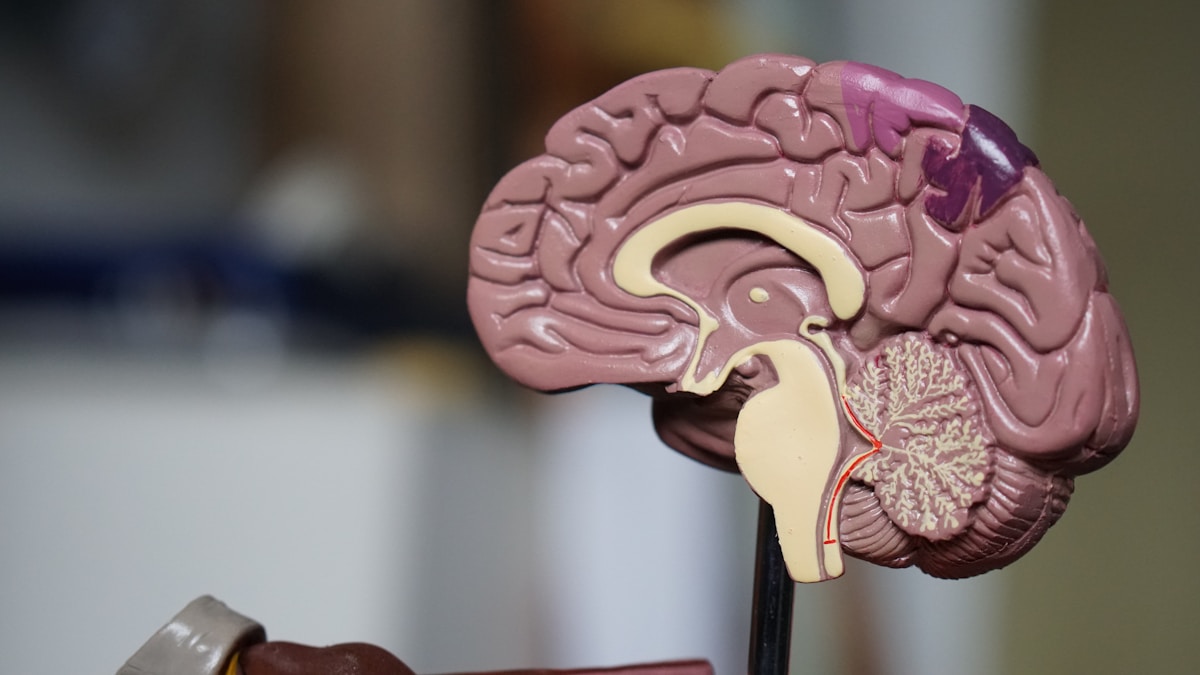
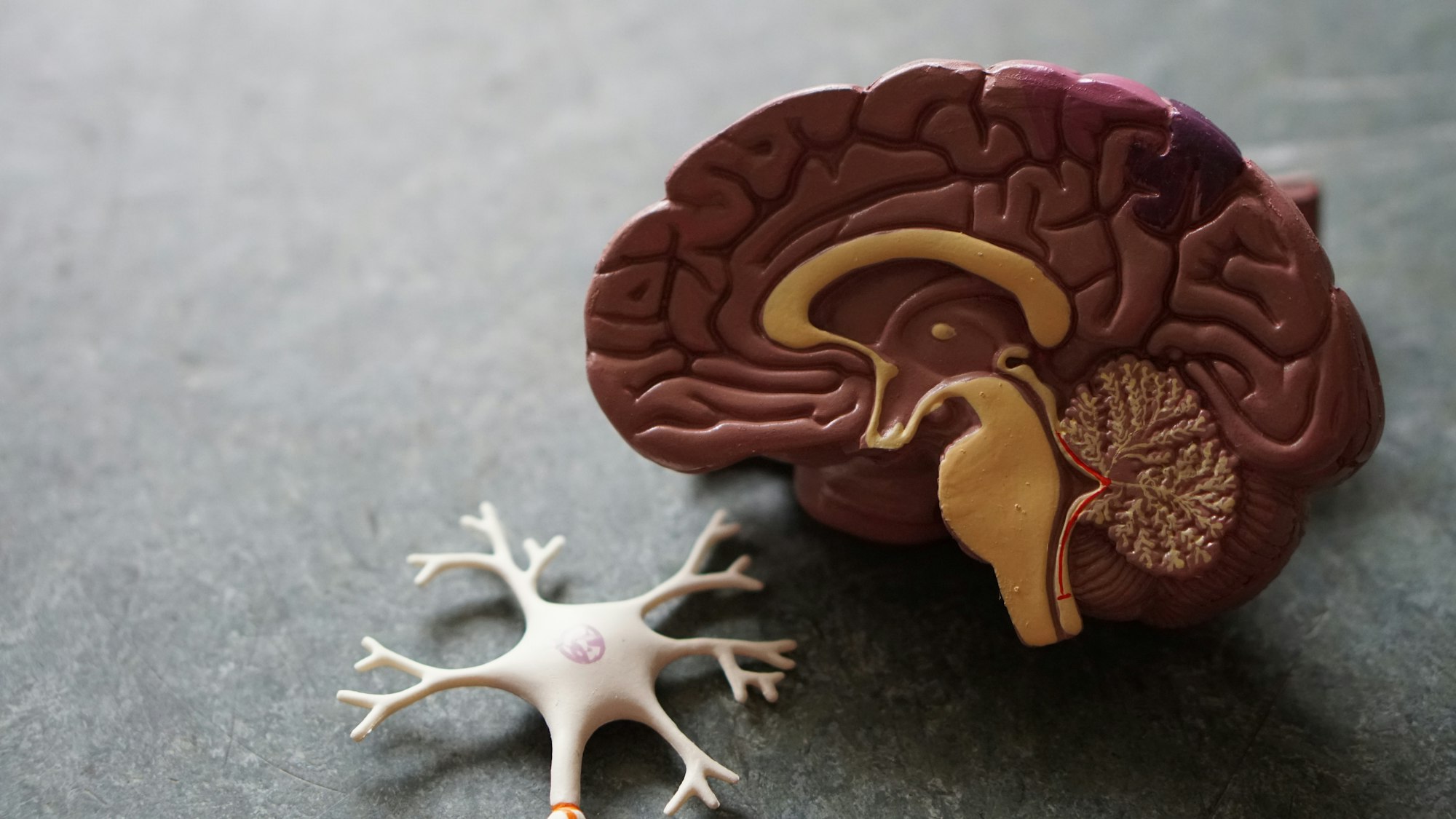
tDCS involves applying a weak electrical current through electrodes placed on the scalp. This modulates neuronal activity in targeted brain regions, particularly the prefrontal cortex, which plays a crucial role in mood regulation.
Clinical Evidence
Recent studies have shown that tDCS can:
- Reduce depressive symptoms by 30-40% in treatment-resistant cases
- Improve cognitive function and executive control
- Provide longer-lasting effects compared to some traditional treatments
- Offer minimal side effects compared to medication
Treatment Protocol
A typical tDCS treatment course involves:
- Initial assessment and brain mapping
- 20-30 minute sessions, 5 days per week
- 4-6 week treatment period
- Maintenance sessions as needed
The Metis Approach
Metis Axion™ represents the next generation of tDCS technology, offering:
- Precise targeting with neuronavigation
- Real-time monitoring and adjustment
- Integration with EEG for optimized protocols
- AI-powered personalization
Take Action: If you're interested in exploring tDCS as a treatment option, consult with a qualified healthcare provider to determine if it's right for you.
Share this article
Related Articles
Continue exploring related topics
rTMS vs tDCS: Comparing Brain Stimulation Modalities for Clinical Practice
rTMS and tDCS are the two most-used non-invasive brain stimulation modalities. We compare mechanism, evidence, safety and the role of nTMS navigation.
Understanding NIBS: A Guide to Non-Invasive Brain Stimulation Technologies
Non-invasive brain stimulation (NIBS) is reshaping psychiatry and neurology. Here is how rTMS, nTMS, tDCS, CES and TES compare — and where personalized neuromodulation is heading.
Beyond the Surface: Describing Depression with Precision through Synapse™
Discover how Synapse™, leveraging qEEG and AI, offers a precise neurobiological description of depression, moving beyond traditional symptom-based diagnosis to enable truly personalized, effective treatment pathways.
Comments (0)
No comments yet. Be the first to share your thoughts!

